Understanding the Importance of Centerpieces
Centerpieces play a crucial role in the design and decor of events, serving not merely as decorative elements but as an integral part of the overall atmosphere. They enhance the ambiance, create striking focal points, and reflect the theme of the occasion. This makes them essential to effective event planning and execution, bridging the gap between the venue and the specific vision of the event organizer.
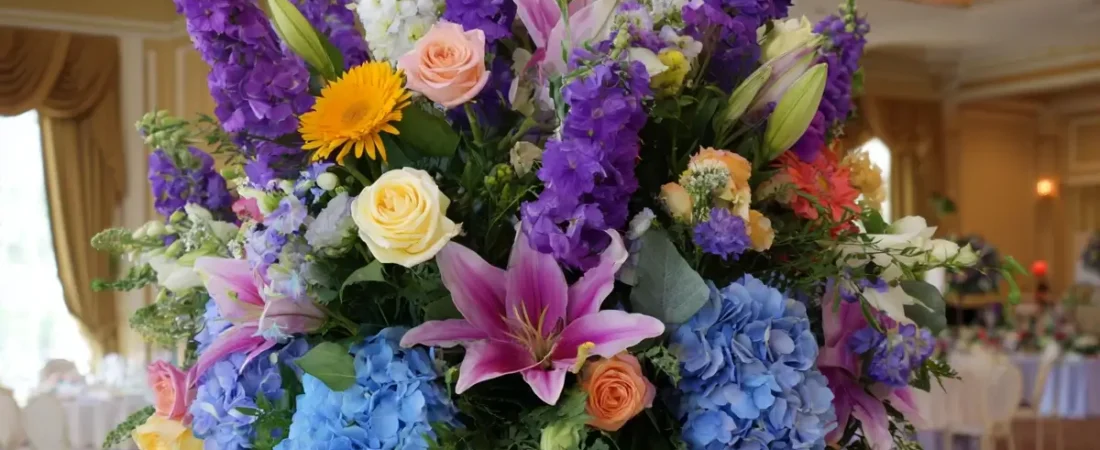
At a well-decorated table, the centerpiece commands attention—drawing the eye of attendees and inviting interaction. A thoughtfully designed floral arrangement can transform a simple space into a vibrant setting that resonates with guests. For instance, a wedding centerpiece adorned with seasonal blooms can reinforce the romantic theme, while a corporate gathering might utilize sleek, modern designs to convey professionalism. Consequently, the selection of centerpieces is a critical consideration in event design that can significantly affect the guests’ overall perception and experience.
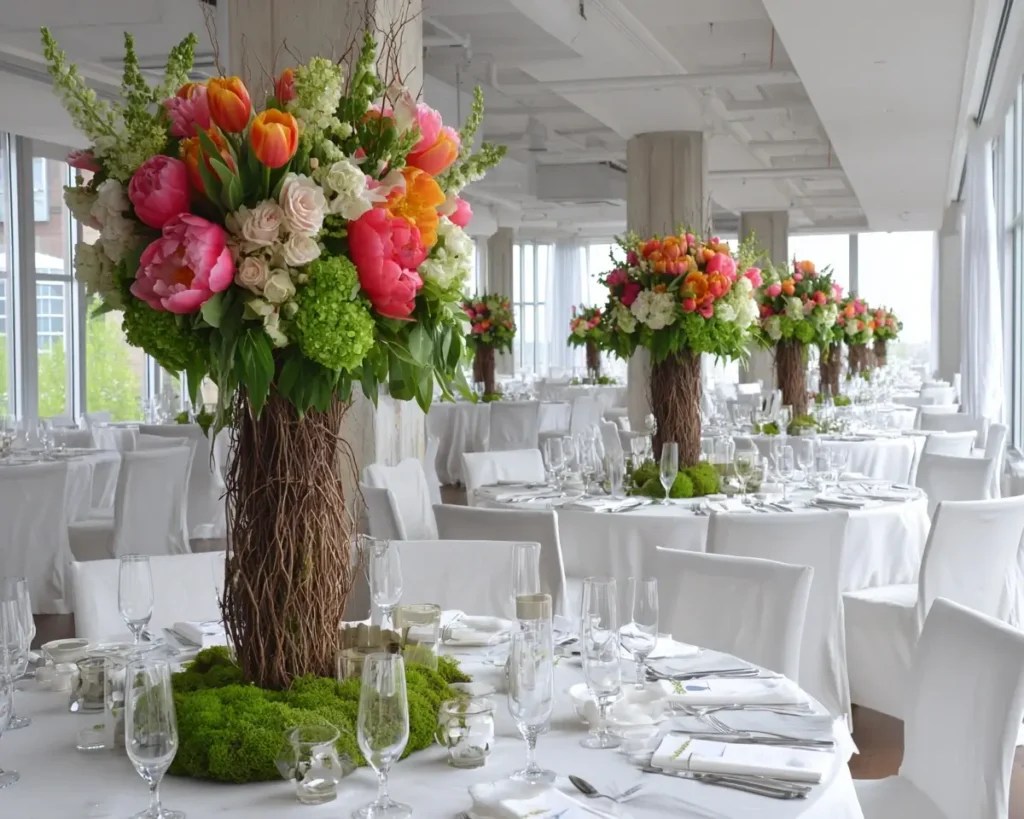
Moreover, the psychological influence of floral arrangements cannot be understated. Studies indicate that flowers have a profound ability to elevate mood and foster positive emotions. By incorporating beautiful centerpieces, organizers can create an inviting atmosphere that encourages engagement and interaction among guests. A well-executed centerpiece not only beautifies a space but can also evoke specific sentiments aligned with the event’s objectives.
Ultimately, the importance of centerpieces extends beyond mere decoration; they serve as an artistic expression that complements the event’s narrative. When selected with care, centerpieces can enhance guests’ experiences, making lasting impressions that contribute to the event’s success. It is this multifaceted role of centerpieces that underscores their significance in event design.
Choosing the Right Flowers for Your Centerpieces
Selecting the appropriate flowers for your event centerpieces is an essential aspect of event planning. Different flower types possess unique characteristics and symbolism, which can enhance the intended atmosphere of the occasion. For instance, roses often signify love and romance, while sunflowers evoke feelings of warmth and happiness. By understanding the meanings behind various flowers, you can choose arrangements that resonate with the mood you wish to create.
When considering flower types, it’s essential to take into account the seasonality of blooms. Seasonal flowers are not only fresher, but they can also be more economical. Spring brings vibrant tulips and fragrant lilacs, whereas summer offers rich dahlias and zinnias. Autumn is known for its warm-hued chrysanthemums and elegant asters, while winter can showcase classic evergreens and seasonal blooms like amaryllis. Matching the flowers to the time of year will enhance your centerpieces and may even inspire a theme.
Moreover, choosing a color palette that aligns with the event’s theme is crucial. Colors can evoke emotions; for example, soft pastels are suitable for weddings and baby showers, while bold colors can energize corporate events and parties. By selecting hues that complement the overall décor, you can create a cohesive look that captivates attendees.
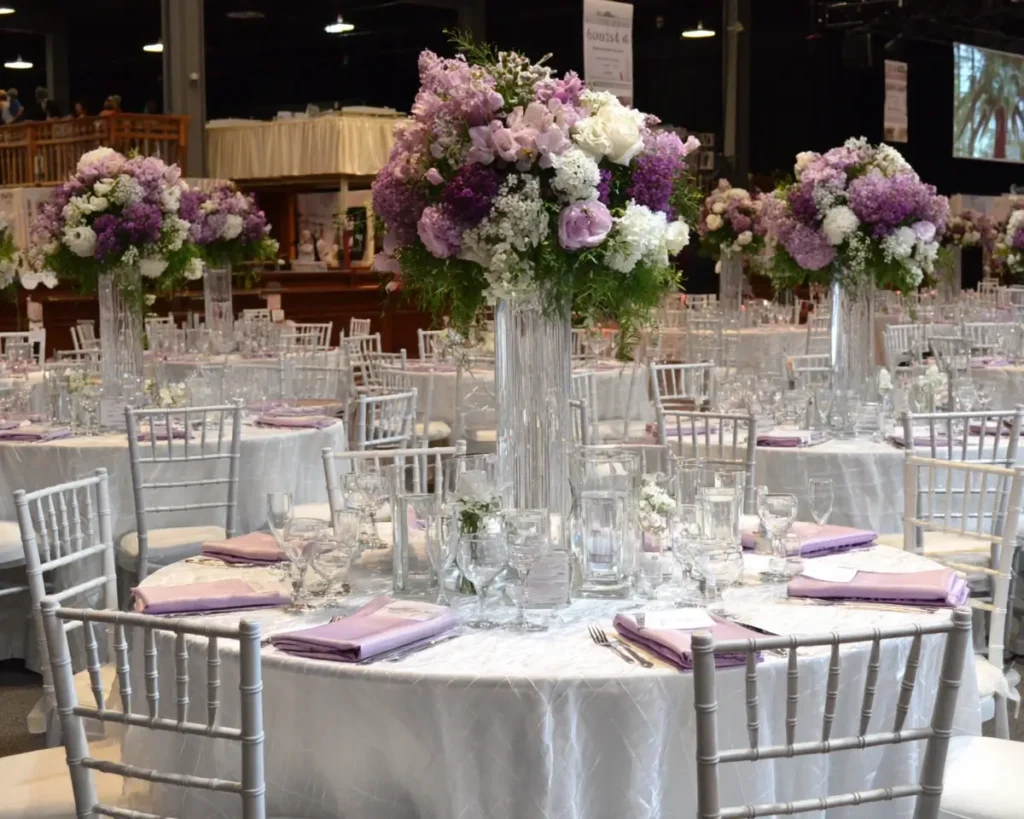
When sourcing flowers, consider utilizing local florists who can provide fresh options and personalized service. Alternatively, wholesale flower suppliers can offer cost-effective solutions for larger events. Investigate the options available and compare prices to find what best suits your budget and preferences.
Ultimately, the perfect flower centerpieces are those that reflect the event’s spirit while harmonizing with the chosen color palette. By thoughtfully selecting flowers based on their meanings, seasonal availability, and aesthetic appeal, you can create memorable arrangements that enhance your event’s ambiance.
Creative Arrangement Ideas and Styles
When it comes to designing flower centerpieces for various events, the arrangement style plays a pivotal role in setting the tone and enhancing the overall aesthetic. Different styles such as rustic, modern, elegant, and whimsical each have unique characteristics that can be adapted to suit different types of occasions.
For rustic events, consider employing a mix of wildflowers and seasonal blooms arranged in natural materials like wooden boxes or mason jars. This style evokes an earthy feel and works wonderfully for outdoor weddings or informal gatherings. In contrast, modern centerpieces often feature sleek lines and minimalistic designs. Utilizing geometric vases filled with monochromatic flowers, such as all-white blooms or vibrant pops of color, creates a chic and contemporary atmosphere.
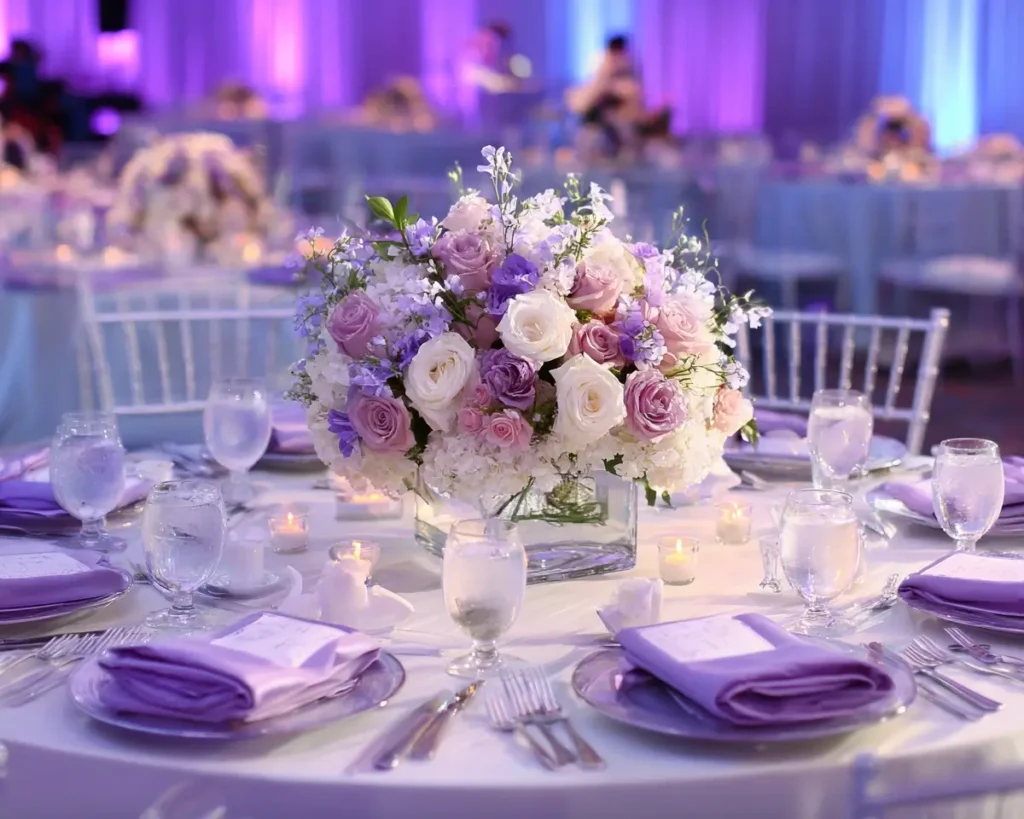
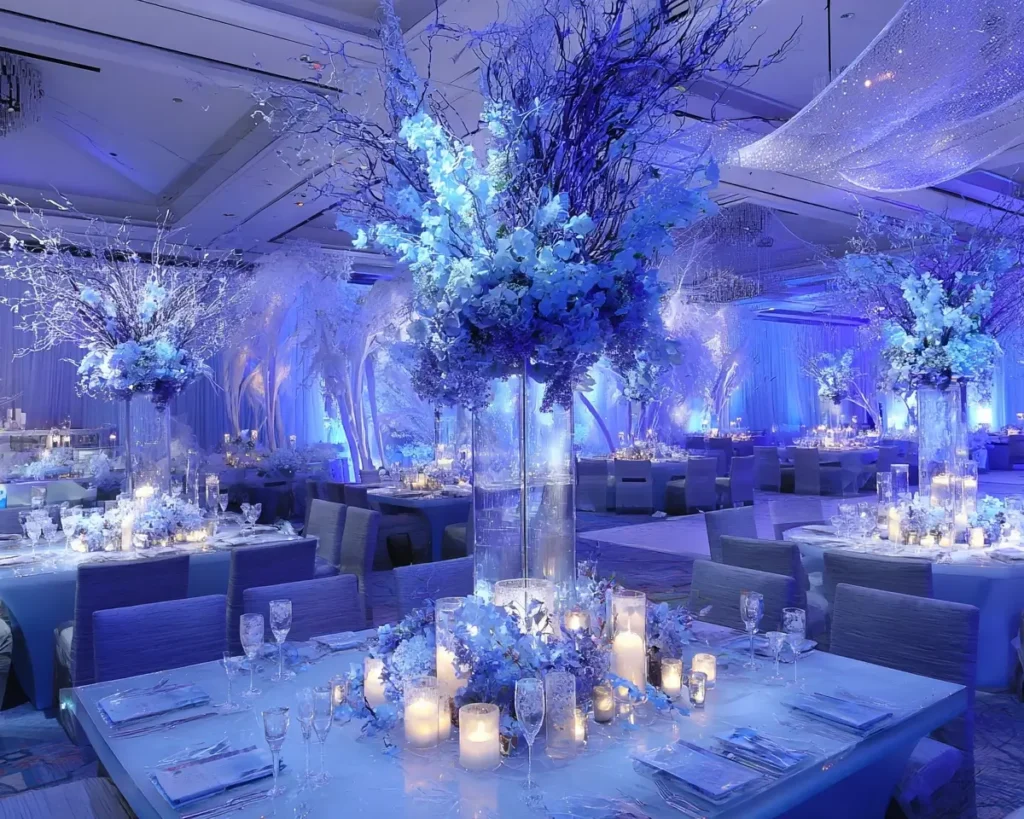
Elegant centerpieces commonly incorporate classic arrangements with abundant blooms, often utilizing luxurious fabrics and vase options. Cascading arrangements, hung flower installations, or tall vases filled with blooms can create striking focal points at formal events such as black-tie affairs or gala dinners. Whimsical designs, on the other hand, inspire creativity and playfulness. Designs may include unexpected elements such as colorful feathers, twinkling lights, or non-floral components like fruits or succulents.
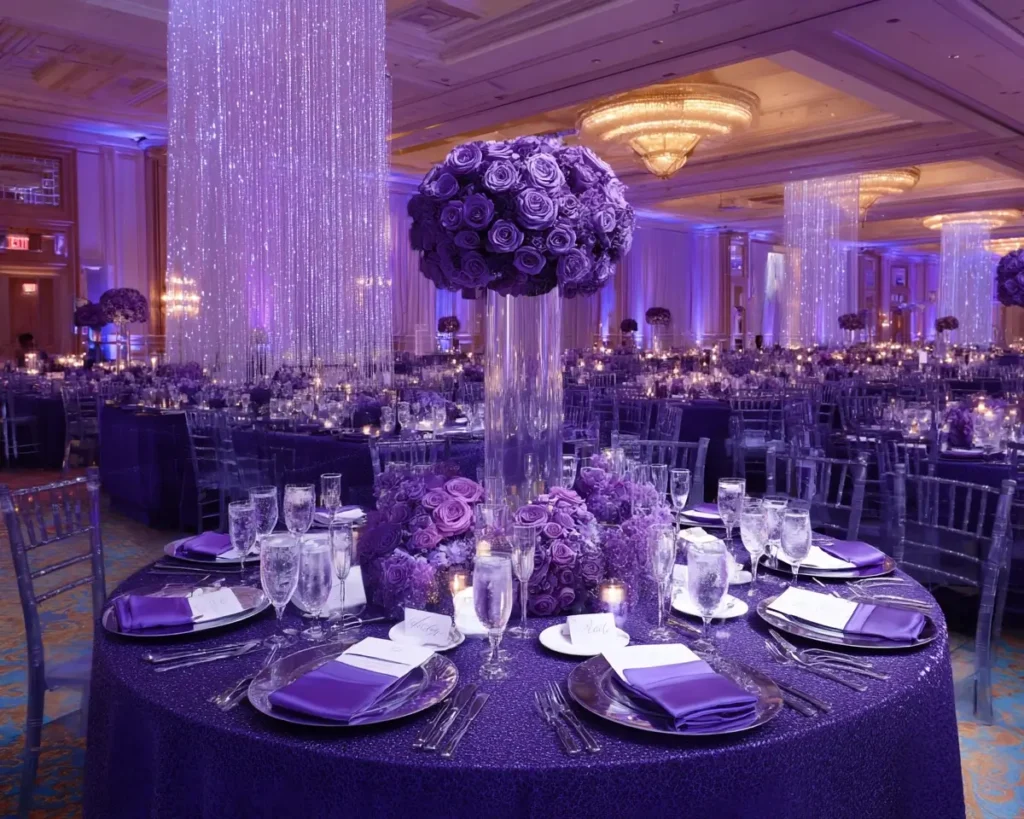
For those looking to add more texture to their arrangements, incorporating greenery such as eucalyptus, ferns, or ivy can provide depth and enhance the visual appeal. Additionally, non-floral elements such as decorative stones, candles, or ribbons can accentuate the centerpiece’s design while ensuring it aligns with the event’s theme. Examples of unique arrangements include low-profile centerpieces that allow conversations to flow easily across the table or multi-level centerpieces which draw the eye upward, adding a dynamic element to the overall decor. These creative arrangement ideas can transform ordinary spaces into remarkable ones, enhancing guests’ experiences while remaining thematically cohesive.
DIY Centerpieces vs. Professional Florists
Choosing between DIY centerpieces and hiring a professional florist involves weighing various benefits and challenges. On one hand, DIY centerpieces can provide a unique and personalized touch to any event. They allow for creative freedom, enabling you to experiment with different floral arrangements, colors, and styles that reflect your vision. For many, the satisfaction of crafting your centerpieces can be immensely rewarding.
However, creating centerpieces yourself also comes with significant considerations. The first is budget; while DIY options can often seem more economical, the costs of purchasing individual flowers, supplies, and tools can add up quickly. Additionally, time commitment is another critical factor—arranging flowers and preparing centerpieces can be time-consuming, especially leading up to an event. Planning and practicing your designs ahead of time is essential to avoid last-minute stress.
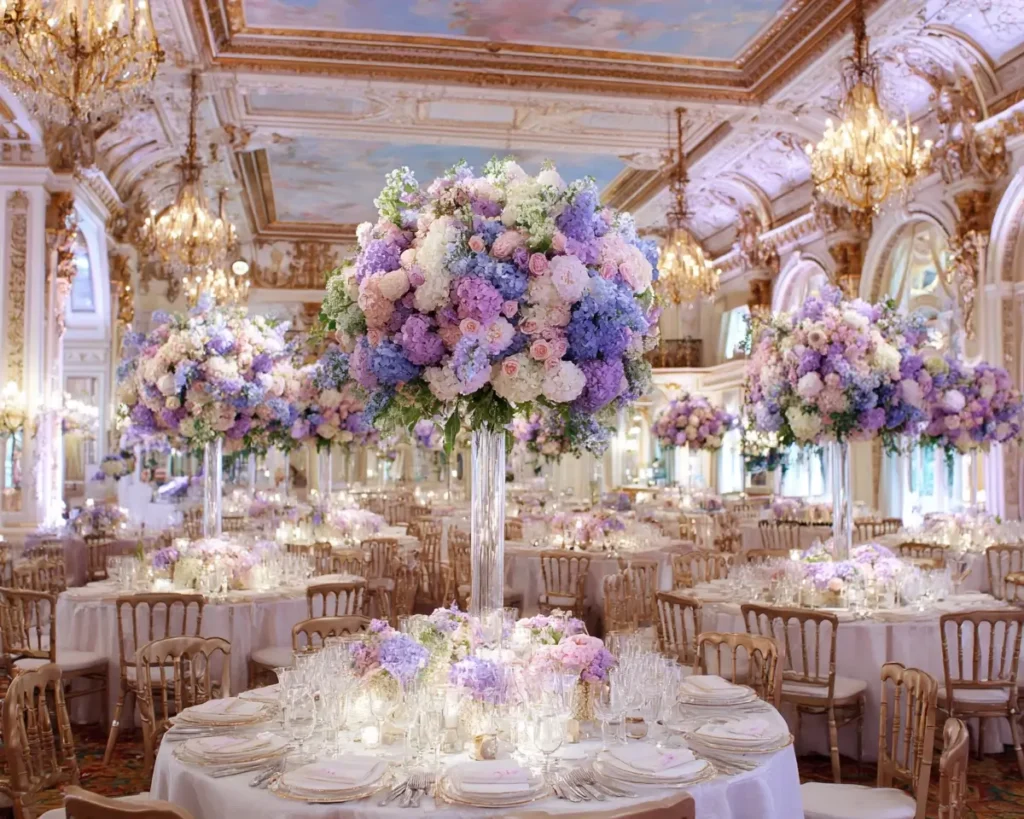
For those considering taking on a DIY project, there are some key tools and resources that can facilitate the process. Essential tools include floral scissors, tape, and appropriate containers for your arrangements. Online platforms, such as YouTube or Pinterest, offer countless tutorials that can guide you through creating stunning floral arrangements. However, common mistakes to avoid include underestimating the amount of material needed and neglecting to consider the logistics of flower preservation.
On the other side of the spectrum, hiring a professional florist guarantees expertise and often results in polished, cohesive designs. Professionals can supply pre-arranged centerpieces, allowing you more time to focus on other aspects of event planning. Ultimately, whether you choose to create your centerpieces or enlist the help of a florist will depend on your budget, available time, and desired level of creative involvement in the event planning process.